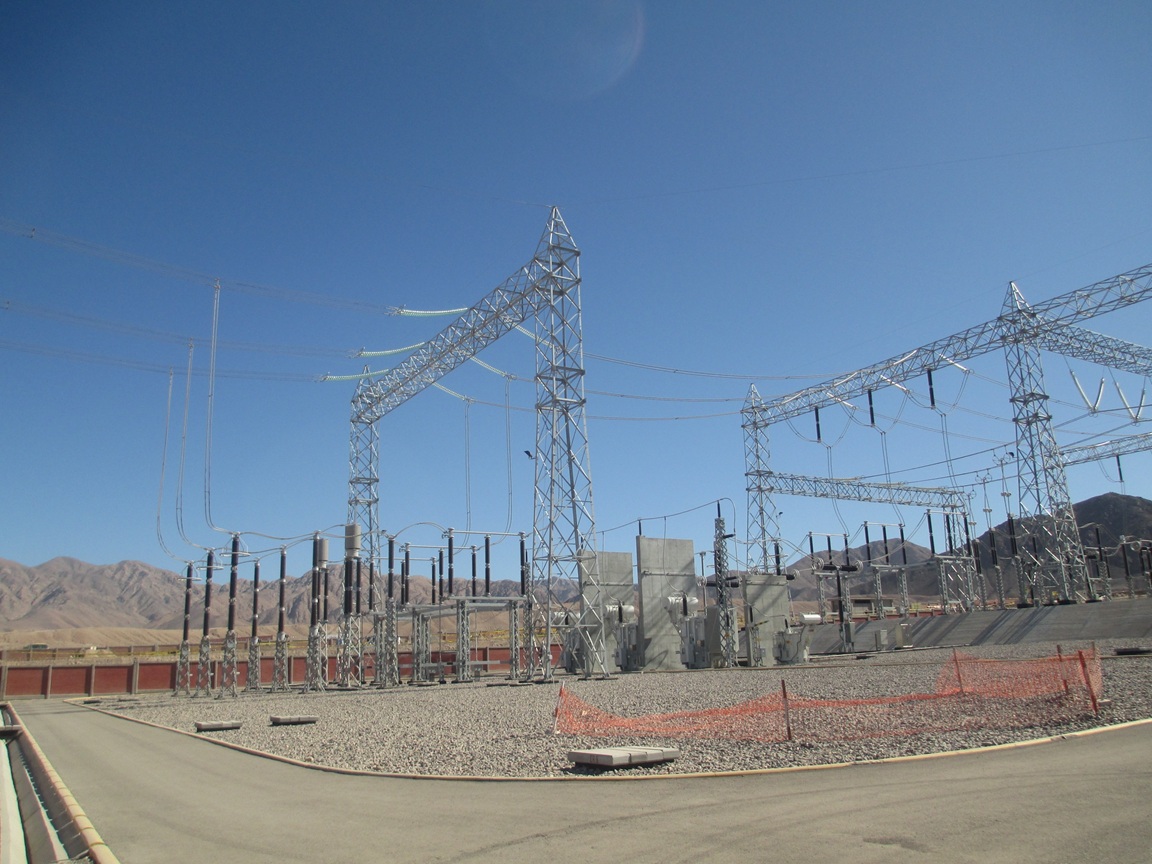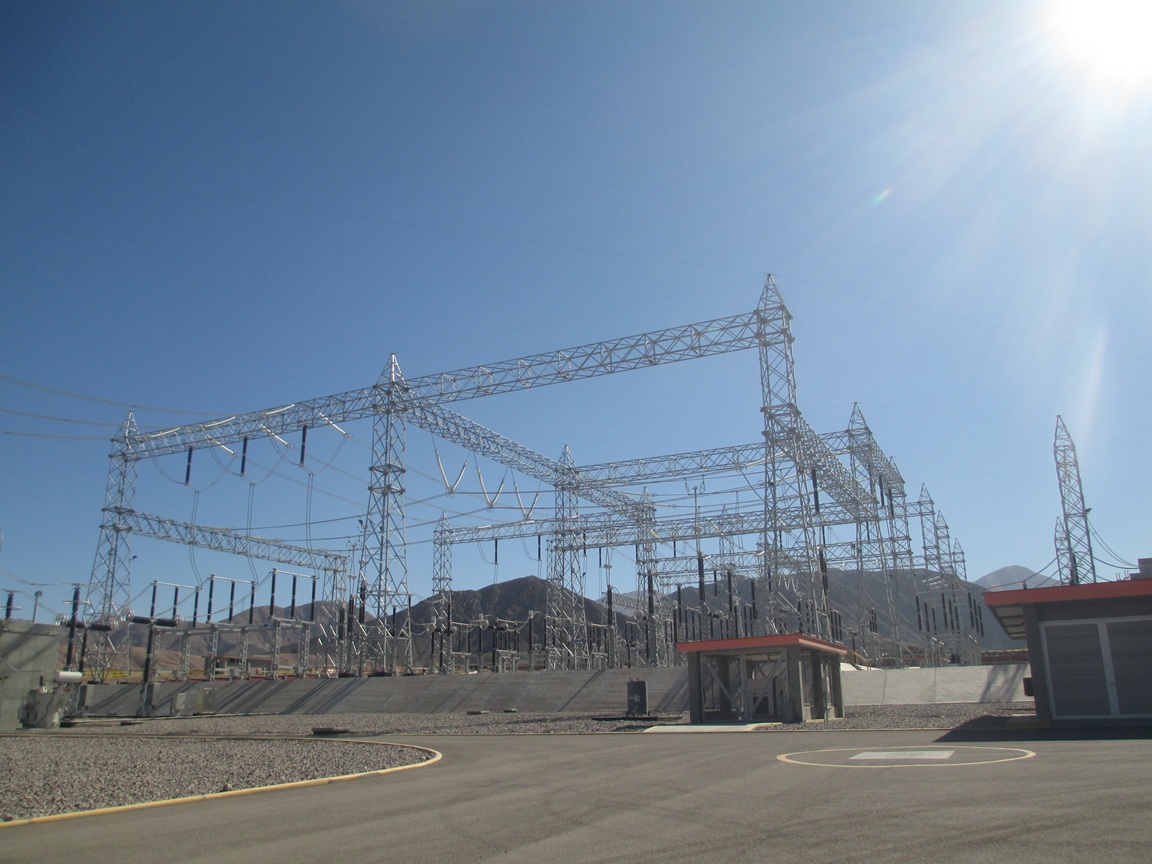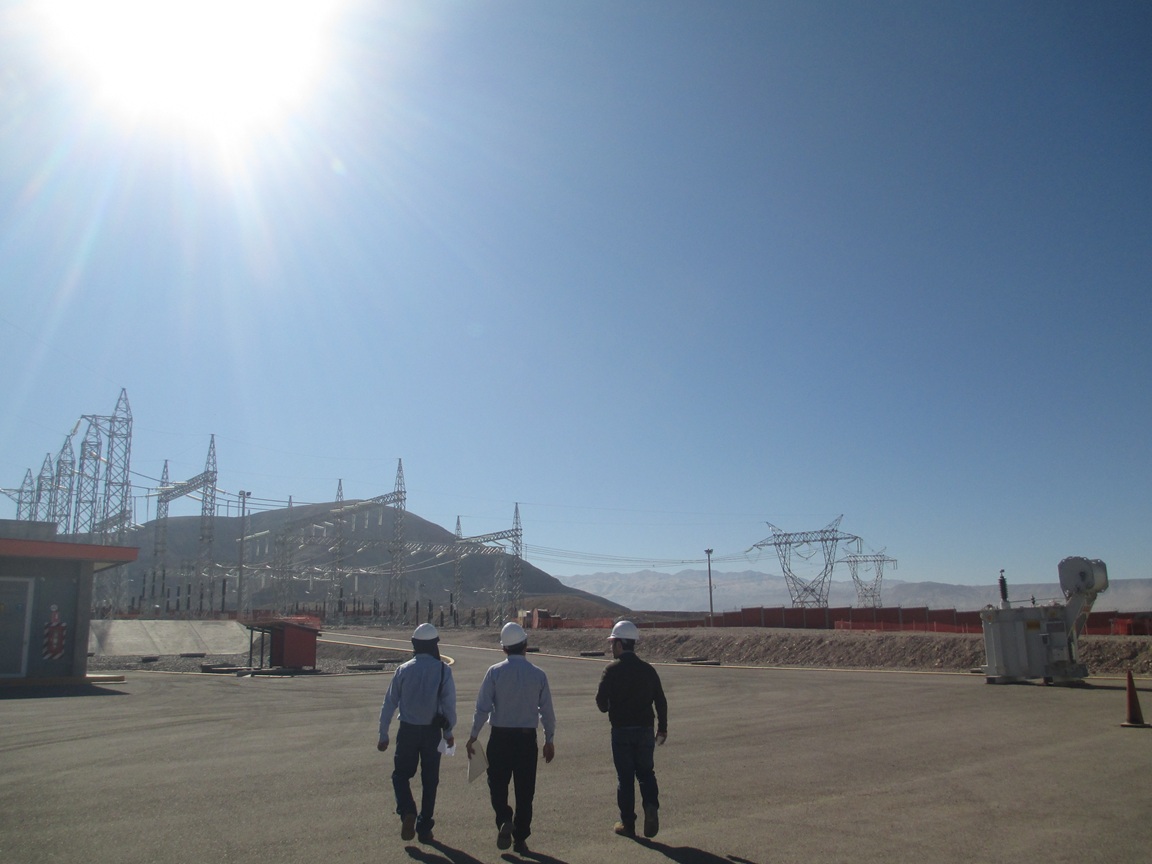
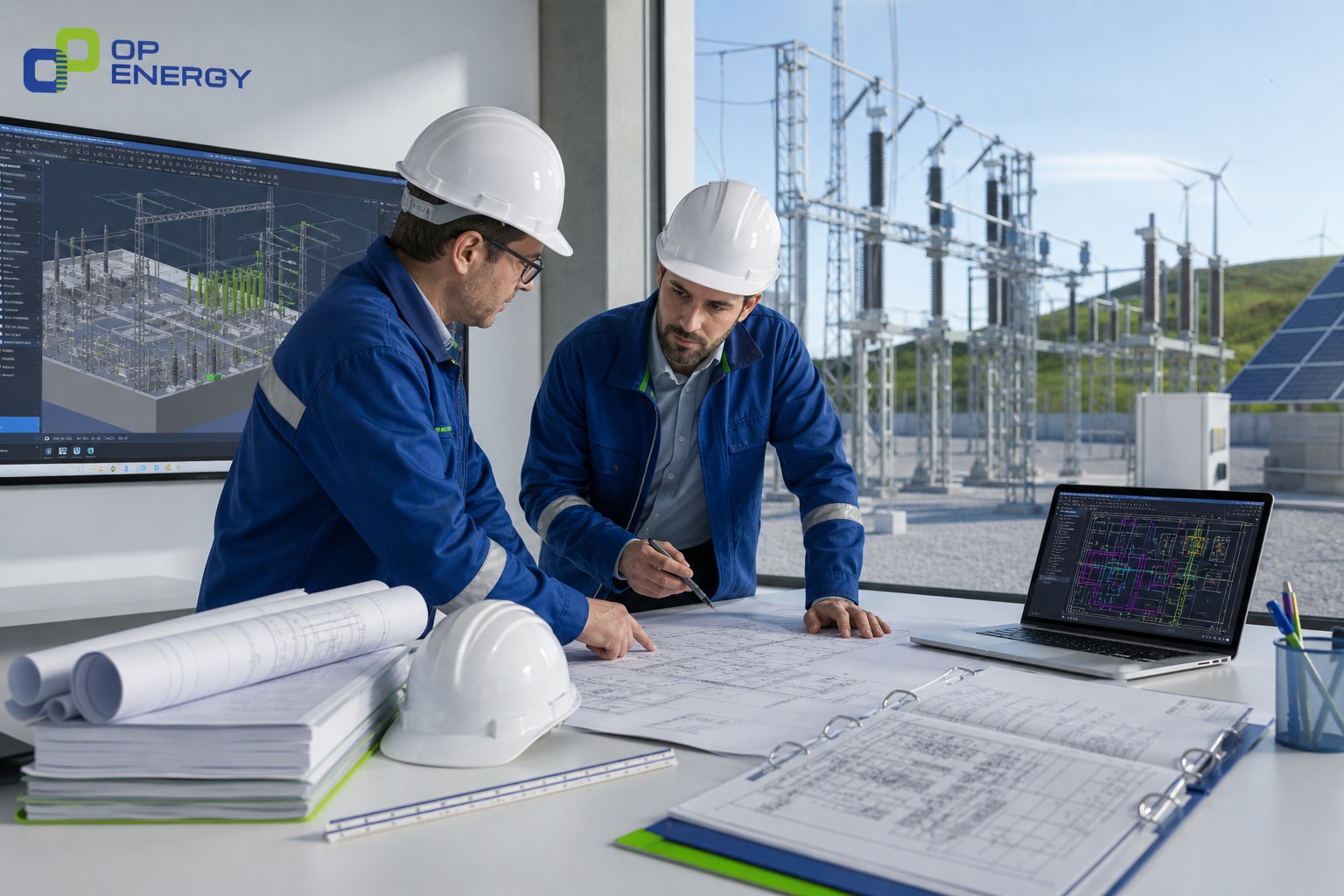
The Detailed Engineering Study This corresponds to a more detailed technical stage, focused on preparing the information necessary for the construction, acquisition, and assembly of the project's electrical installations. At OP Energy, we develop this service by specifying the technical characteristics of the required components, equipment, structures, and systems, so that the client has a clear, organized, and sufficiently precise engineering foundation to move to the execution stage. This type of study is especially relevant for projects that have already passed preliminary phases and require reliable technical documentation for their implementation under specialized construction or contracting arrangements. Unlike conceptual or feasibility engineering, detailed engineering demands greater precision, consistent documentation, and technical control over each element that will form part of the electrical installation.
At this stage, OP Energy brings expertise in electrical installation design, knowledge of power systems, and mastery of the technical criteria applicable to energy projects. Our approach focuses on transforming preliminary studies into usable technical documentation for execution, reducing ambiguities and facilitating coordination between the client, contractors, suppliers, and construction teams. Detailed engineering allows for the organization of specifications, drawings, assembly criteria, and technical requirements, helping to mitigate risks during construction and improve the traceability of decisions made. Thanks to its specialized team, work methodology, and use of technical tools, OP Energy supports the client with a service focused on the precision, quality, and reliability of the final solution.
Why choose OP Energy for this service?
Engineering ready to execute: We develop detailed technical documentation for acquisition, assembly and construction, reducing information gaps and facilitating the implementation stage.
Precision in components and specifications: We define technical characteristics of electrical equipment, installations and systems, contributing to a more orderly and controlled execution.
Lower risk in construction: We transform the project's technical information into a clear basis for contractors and suppliers, helping to avoid rework, incompatibilities, and improvised decisions.